
Golden Triangle Classic
Day 1: Arrive at Delhi by your scheduled flight. Our services begin here. You are greeted at the Delhi airport by and then then ushered to a chauffeur driven vehicle. You are then driven to your hotel and check in. The next days’ plans are briefly reviewed and travel documents such as your air tickets and hotel vouchers will be handed over to you.
Day 2: Delhi. Start your exploration of India with a guided city tour of Old Delhi. Drive, walk and ride through the ancient city’s streets and alleys; explore crowded and colorful bazaars. This excursion includes an exploration of the Jama Masjid (1650 AD), the largest mosque in India. The Masjid (Mosque) is a magnificent example of Mughal architecture and is constructed of red sandstone and white marble. It is an active place of worship and its courtyard can hold 25,000 worshippers. You continue on to the amazing Red Fort that was finished a decade before the mosque. Both structures were built by Shah Jahan, the emperor that created the Taj Mahal. The great city inside the massive sandstone walls of the Red Fort offers visitors a large number of architectural and historical attractions; it was once known as the 8th wonder of the world. The Red Fort was the seat of the Mughal Empire for more than two hundred and fifty years and is a UNESCO World Heritage Site. It is an amazing example of a blend of Persian, Indian, and European architecture. You will also experience a fascinating rickshaw ride in the ancient alleys of the crowded and colorful bazaar at Chandni Chowk.
There is a break for lunch.
Afternoon – Enjoy a city tour of New Delhi. This excursion begins with the awe-inspiring Qutab Minar (1193 A.D.). This 239 ft tall medieval tower is a symbol of victory and a beautiful example of Persian architecture from that period. There is a winding stairway inside the tower that goes up all the way to the balcony at the very top of the tower – unfortunately they are no longer accessible for visitors. The Qutab Minar and its Monuments are also a UNESCO World Heritage Site.
Within the Qutab complex, amidst the ruins of the Quwat-ul-Islam Mosque, stands one of the legendary Ashoka Pillars. This large iron pillar has withstood the ravages of Delhi’s weather (and recent pollution) and has not rusted in over 1500 years. After the Qutab complex you will be driven to visit the magnificent tomb of the Mughal Emperor Humayun. Delhi has such an abundance of amazing monuments that this Tomb Complex (1562 A.D.) does not quite get the acclaim that it deserves. It is Delhi’s third UNESCO World Heritage Site and its amazing architecture and the elaborate gardens (all currently undergoing restoration) will captivate you.
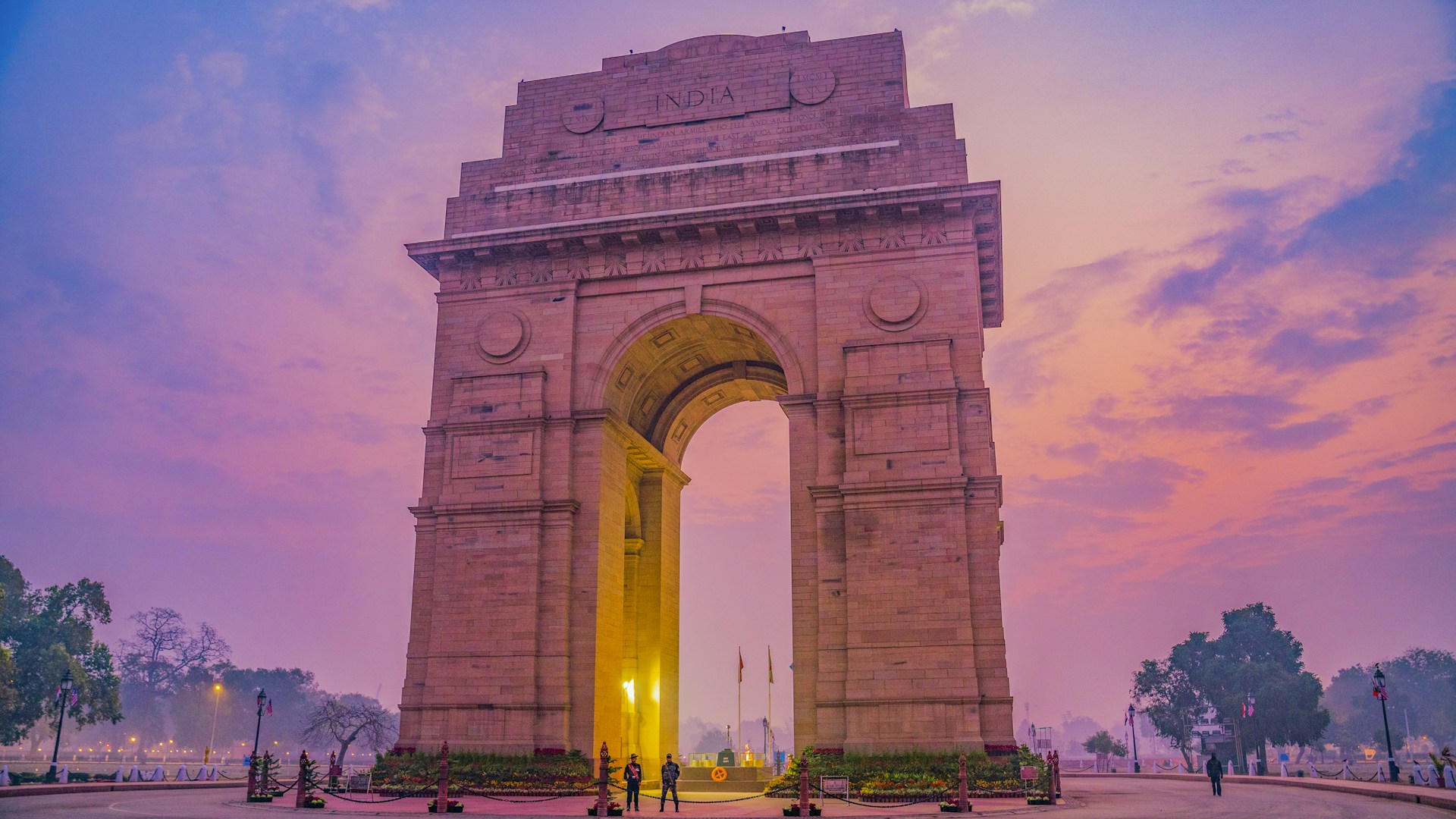
From the tomb you will proceed on a drive to Lutyens’ New Delhi. Time permitting, this drive will include photo opportunities at some of the following attractions – the exterior of the massive and awe-inspiring Rashtrapati Bhawan (known as Viceroy’s House during the British era), Delhi’s landmark structure India Gate, a golden domed Sikh Temple (Bangla Sahib Gurudwara), & the Birla Temple. The last part of this excursion is a drive through Connaught Place, which is New Delhi’s downtown.
Day 3: Delhi – Agra. Check out from your hotel in the morning and proceed on the drive to Agra. Arrive at Agra and check in to your hotel.
There is a break for lunch.
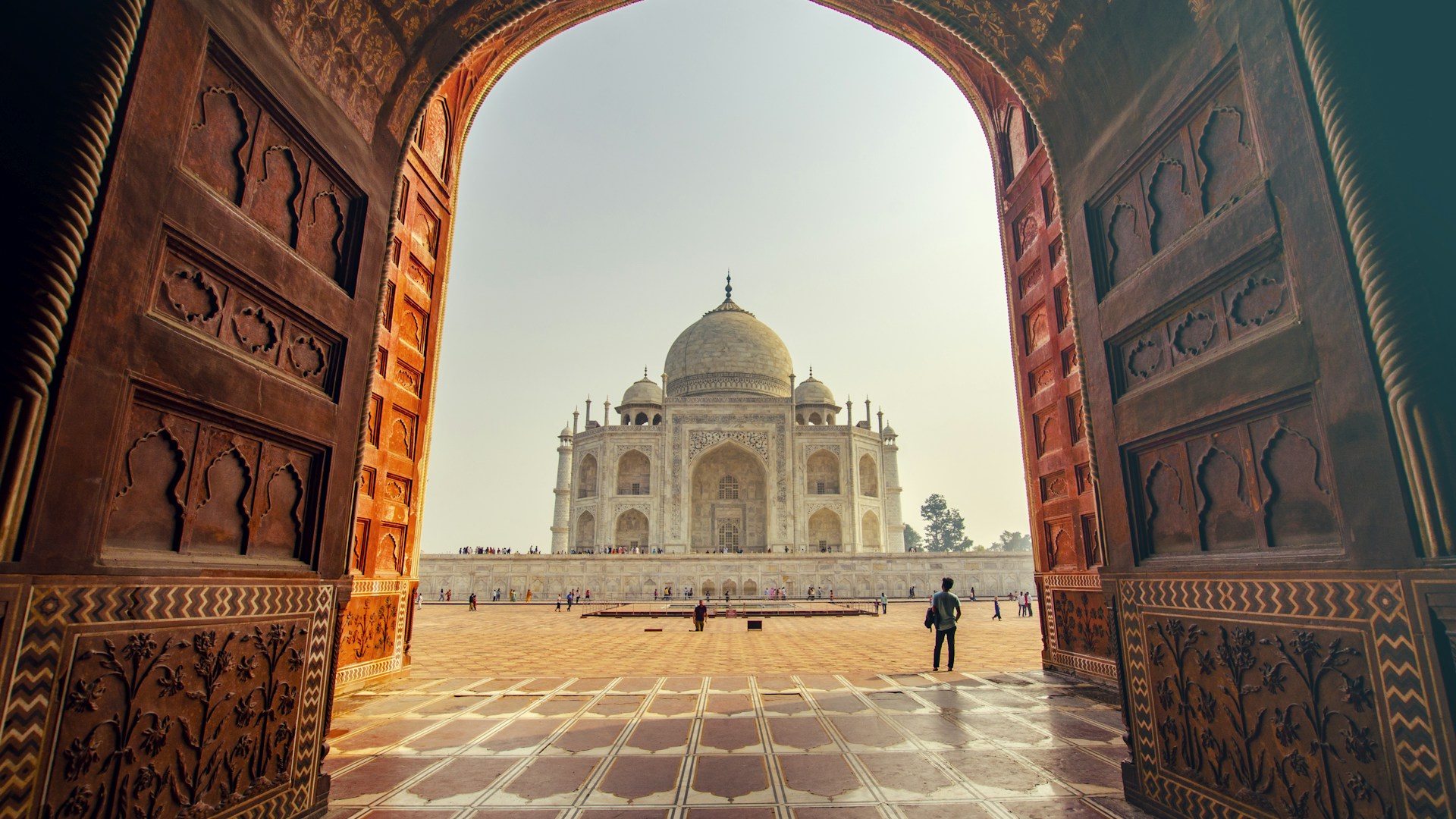
Afternoon – Proceed for a visit of one of the Seven Wonders of the World, the incomparable Taj Mahal. The world’s greatest monument dedicated to love is obviously a UNESCO World Heritage Site. The Taj Mahal was completed by Emperor Shah Jahan in 1653 AD as a memorial to his beloved queen, Mumtaz Mahal. This spectacular white marble mausoleum was created by about 22,000 skilled craftsmen and it took twenty two years to complete. When you experience the Taj Mahal and have them provide unique insights into its innumerable facets, some of their passion for this masterpiece may rub off on you!
Day 4: Agra. Proceed for a visit to Mehtab Bagh, which is a 500 year old Mughal garden located across from the Taj Mahal on the other side of the Yamuna River.
Later Proceed for a city tour of the magnificent monuments of this city. Visit the first red sandstone fort of North India, the Agra Fort. It was built in 1565 by India’s greatest Mughal ruler, Emperor Akbar. Its royal audience halls, immense stone courtyards, marble mosque and the private royal chambers give us a glimpse of the grandeur of the Mughal Empire.
There is a break for lunch.
Afternoon – proceed for a visit to the famous tomb of Itmad-Ud–Daulah. This memorial was built by the Mughal Emperor Jehangir’s queen as a memorial to her father. The tombs sheer beauty will surprise you – the only reason it does not get more accolades is because it shares the stage with the incomparable Taj Mahal. Like the Taj it has amazingly intricate ‘Pietra Dura’ inlay and lattice marble screens. The mausoleum rests in a walled garden with a view of the river Yamuna. Constructed in the year 1628, most historians believe that its design provided the inspiration for the Taj Mahal.
Day 5: Agra – Jaipur. Check out from your hotel in the morning and you are driven to Fatehpur Sikri. Enjoy an exploration of this beautiful uninhabited city. It was built by Emperor Akbar between 1570 and 1585 and is constructed primarily out of red sandstone. The Emperor moved his capital from Agra to this city and then, a few years later, abandoned it, returning back to Agra. Visit the tallest gateway in the world, the towering Bulund Darwaza (The Gate of Victory). In the northern part of the courtyard is the superb white marble tomb of Shaik Salim Chishti, built in 1570.
Continue on with your journey to Jaipur. Enroute stop at Abhaneri to visit beautiful step well chand Baori. Arrive at Jaipur and check in to your hotel.
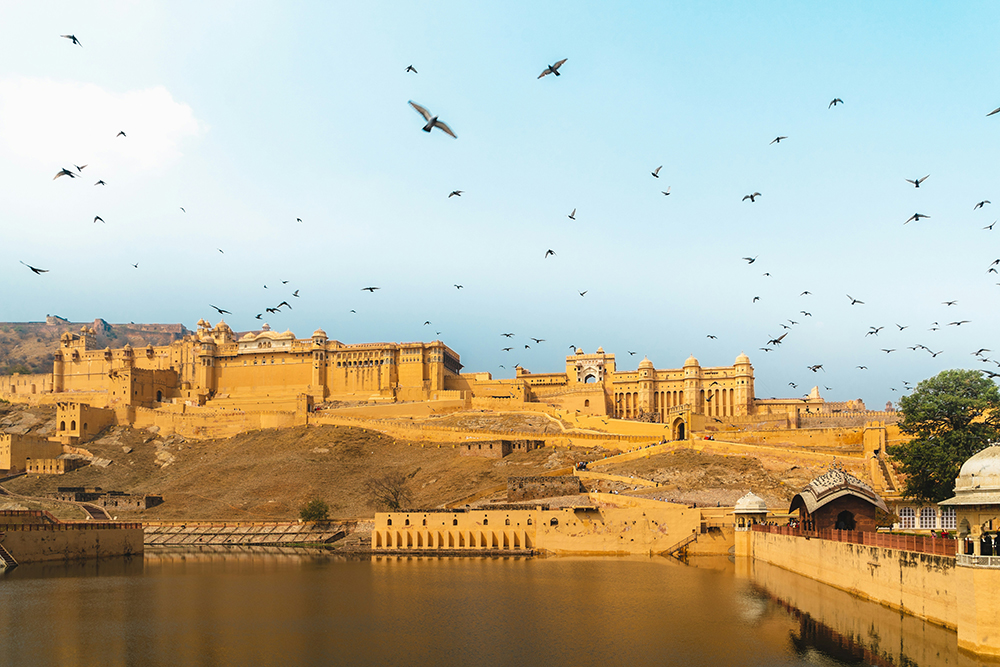
Day 6: Jaipur. Start your day with an excursion to Amber Fort & Palace, located 12 kilometers from the center of the City. Just like the Emperors of a few centuries ago, enjoy the ascent up to the ramparts of the fort on top of a colorfully caparisoned elephant (jeeps are available instead of the elephants, if you so desire). The massive Fort complex was originally built by Raja Mansingh and is one of India’s finest examples of Rajput architecture. Explore the chambers and hallways, which are famous for their exquisite designs and handcrafted embellishments. Return to the valley beneath the Fort and proceed back to the Pink City.
There is a break for lunch.
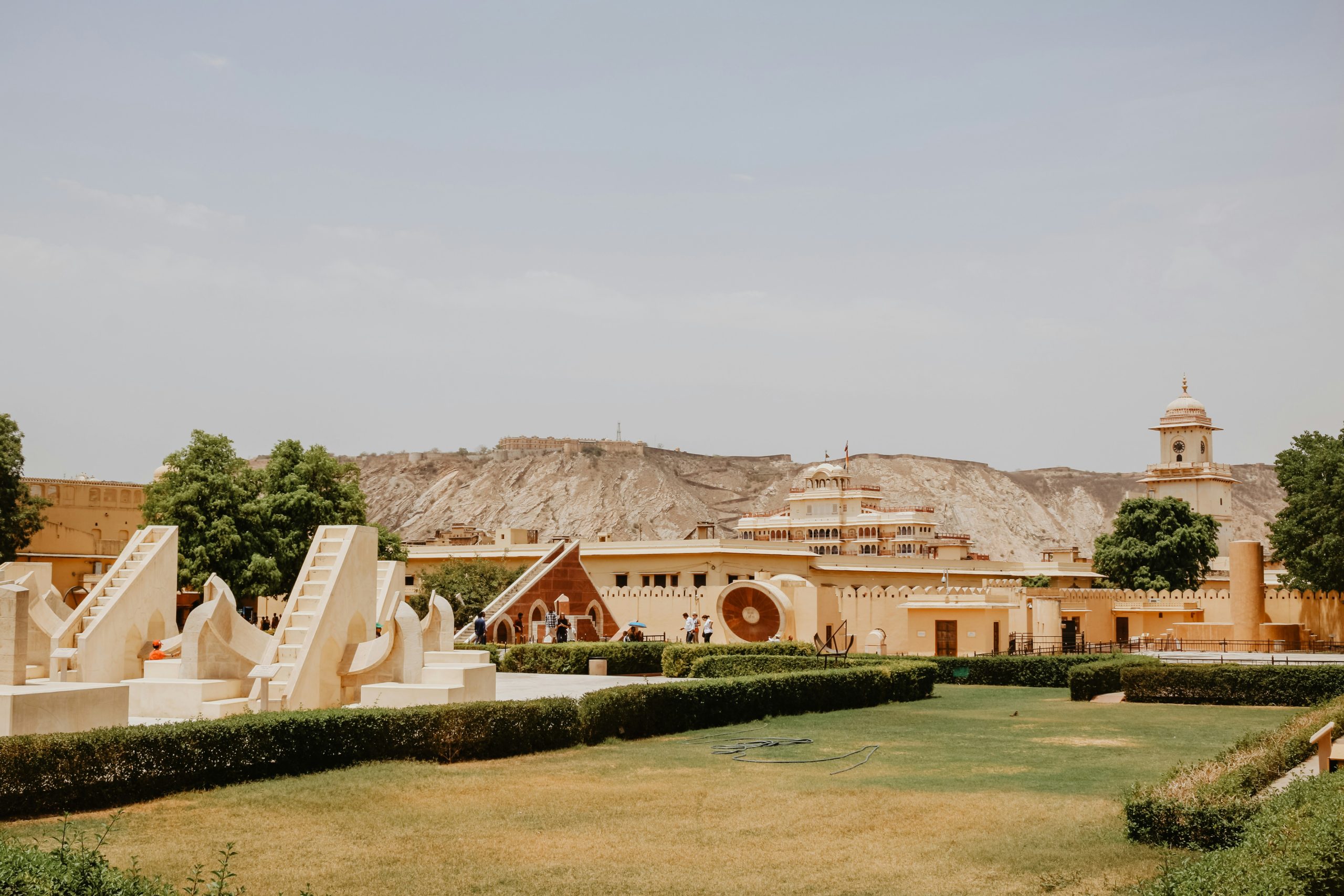
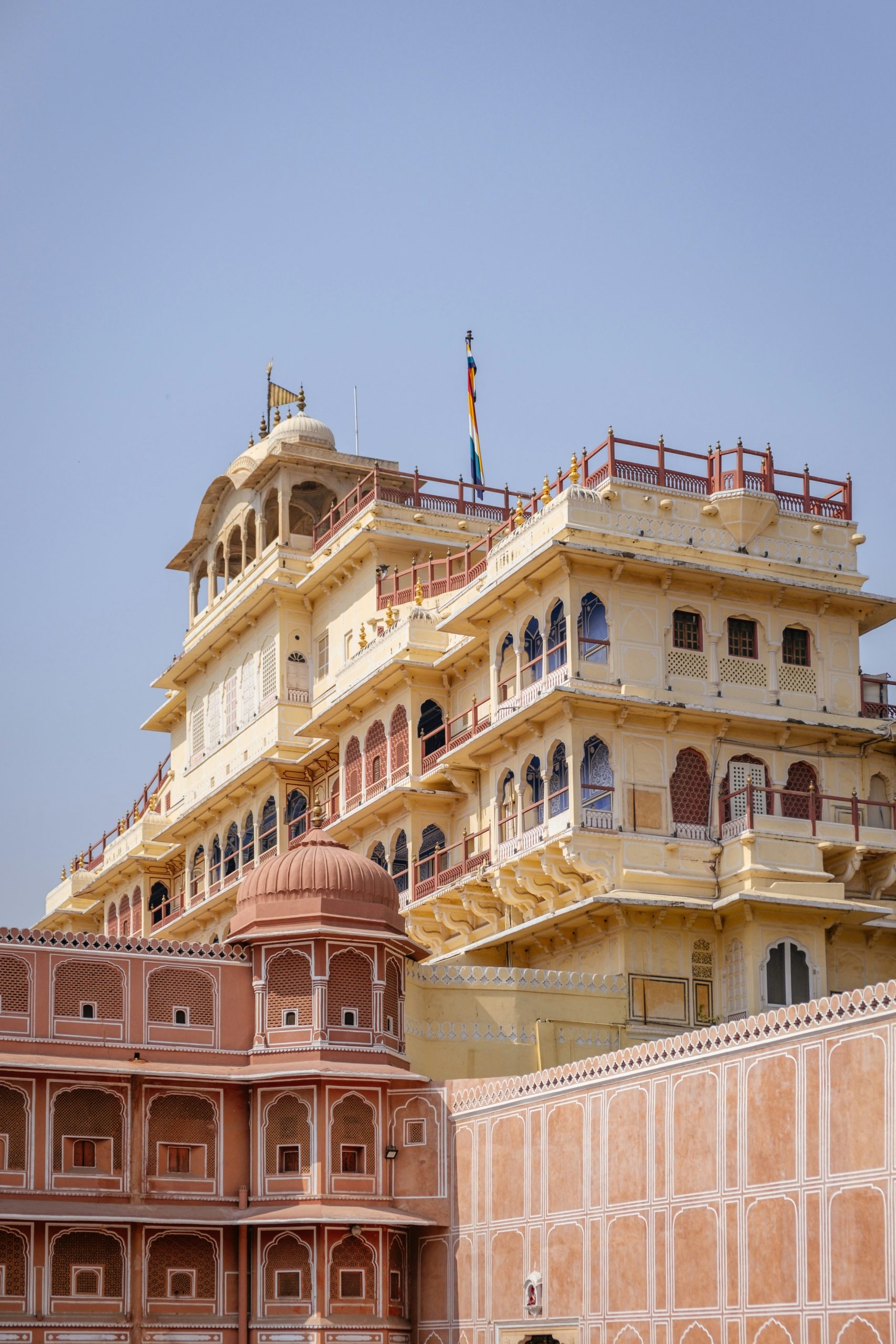
Afternoon – Enjoy a city tour of the walled city of Jaipur, including the magnificent City Palace. Visit Jantar Mantar (UNESCO World Heritage Site), the magnificent stone observatory built by Raja Jai Singh in 1728. After the observatory comes a photo opportunity of the ‘Hawa Mahal’ (Palace of the Wind). This intriguing facade was built in 1799 so that the ladies of the court could use its unique windows and observe the bustling bazaar, without being visible to the people on the streets. Continue the tour with an exploration of the City Palace, the former royal residence (a part of it is still occupied by the Royal family and is not accessible to the public), built in a blend of Rajasthani and Mughal architectural styles. This immense complex also houses a number of museums that offer a large and impressive collection of miniature paintings, costumes, and armory.
Day 7: Jaipur – Delhi – International flight. Check out from hotel and you are driven to airport to board your international flight.
Our services end at Delhi airport.
Day-by-Day Itinerary
Arrival in Delhi
Airport pickup, hotel check-in, evening at leisure
Old & New Delhi
Red Fort, Jama Masjid, India Gate, Lotus Temple
Delhi to Agra
Drive to Agra, visit Taj Mahal at sunset
Agra Exploration
Agra Fort, Mehtab Bagh, local markets
Agra to Jaipur
Drive to Jaipur via Fatehpur Sikri
Jaipur City Tour
Amber Fort, City Palace, Hawa Mahal
Jaipur to Delhi
Drive to Delhi,Departure
What's Included
- ✓ Accommodation
- ✓ Transportation
- ✓ Entrance Fees
- ✓ Airport Transfers
- ✓ Breakfast
- ✓ Local Guide